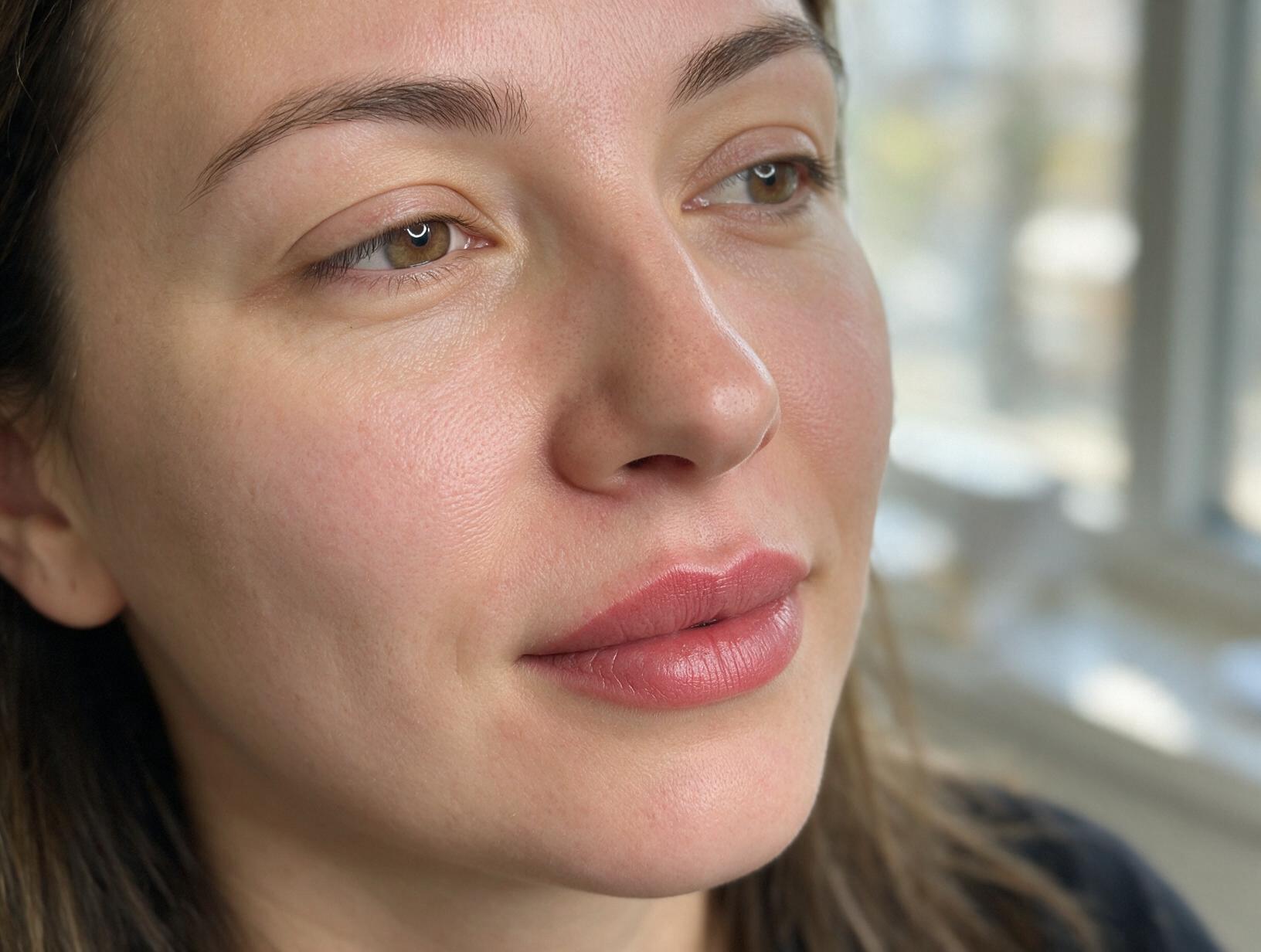
What happens immediately after lip blush?
Immediately after lip blush, your lips may look brighter, darker or more defined than you expected. This is not the finished colour. Freshly implanted pigment often appears more intense at first, and mild swelling or dryness is common.
The lips can also feel tender or tight. I recommend planning a quiet period after your appointment, particularly if you have an event coming up. The early appearance can change noticeably as the surface heals and the pigment softens.
I take time at consultation to discuss your preferred colour, the natural tone of your lips and the finish you want. You can read more about the treatment on my lip blush treatment page.
What are the lip blush healing stages day by day?
Everyone heals slightly differently, but the stages generally follow this pattern:
- First few days: The lips may be swollen, dry and more strongly coloured. They can feel sensitive, especially when eating or drinking.
- Days three to five: Dryness and light flaking may develop. The surface colour can look uneven as small areas shed naturally.
- After flaking: The colour may appear lighter than expected. This softer phase is normal and does not show the final result.
- Following weeks: The colour gradually settles and becomes easier to assess. The lips may look more natural as the initial intensity reduces.
Permanent makeup healing continues for four to six weeks, so I would not judge the final colour immediately after the flakes have gone.
Lip blush healing stages
- First few days: The lips may be swollen, dry and more strongly coloured. They can feel sensitive, especially when eating or drinking.
- Days three to five: Dryness and light flaking may develop. The surface colour can look uneven as small areas shed naturally.
- After flaking: The colour may appear lighter than expected. This softer phase is normal and does not show the final result.
- Following weeks: The colour gradually settles and becomes easier to assess. The lips may look more natural as the initial intensity reduces.
Why does lip blush look darker before it gets lighter?
Fresh pigment sits in recently treated skin, and the normal response to the procedure can make the colour look stronger. As the outer layer heals and flakes away, the appearance often softens. This can be surprising if you expected to see the final shade straight away.
It is also normal for the colour to seem temporarily too light after flaking. The pigment has not necessarily failed. The skin is still settling, and the result can become clearer over the following weeks.
Colour retention varies between people. Your natural lip tone, skin characteristics, lifestyle and aftercare can all affect how the result develops. I discuss realistic expectations during your consultation rather than promising an identical outcome for every client.
How should I care for my lips during healing?
Aftercare is general good-practice guidance rather than medical advice, and you should follow the instructions I give you for your individual treatment. The key principle is to keep the area clean, protected and undisturbed.
For the first 72 hours, approved lip aftercare guidance includes brushing your teeth with water only, drinking liquids through a straw, and avoiding acidic, salty or oily foods and alcohol. Be gentle when eating, drinking and kissing. Apply the recommended aftercare balm with a clean cotton swab, not your fingers.
Do not pick, scratch or pull away flaking skin. It is better to let it shed naturally, because interfering with the area can affect how the colour settles. Avoid direct sun exposure while the lips are healing and use the aftercare balm as instructed.
If you are prone to cold sores, tell me before booking. Lip procedures can trigger an outbreak, so you should discuss preventative medication with your doctor in advance. Do not start prescription medication without medical advice.
When will I see the final lip blush colour?
The colour should be assessed after the healing process has had time to settle, rather than during the first few days. In practice, that means allowing several weeks before deciding whether the shade needs refining. A lip touch-up is typically scheduled around 30 to 45 days after the initial treatment, depending on healing and the plan discussed at consultation. My lip blush includes a follow up session 6 to 8 weeks later.
A touch-up is not an indication that something has gone wrong. It allows me to refine colour and coverage once I can see how your skin has retained the pigment. The timing matters because working on skin before it has healed can cause unnecessary irritation.
If your lips have uneven or darker areas, the colour may develop differently across each part of the lip, so I assess your natural lip tone rather than relying only on how a pigment looks in a container.
When should I contact my lip blush artist?
Contact me if you have a concern that is outside what we discussed during consultation, including unusual discomfort, excessive swelling, marked redness, warmth or any sign that the area may be infected. If you feel unwell or symptoms are severe, seek appropriate healthcare advice promptly.
Do not compare your healing lips with photographs taken immediately after someone else’s appointment. Lip blush develops at different speeds, and online images may show a fresh result, makeup, lighting or a fully settled result. Your own healing pattern is the more useful guide.
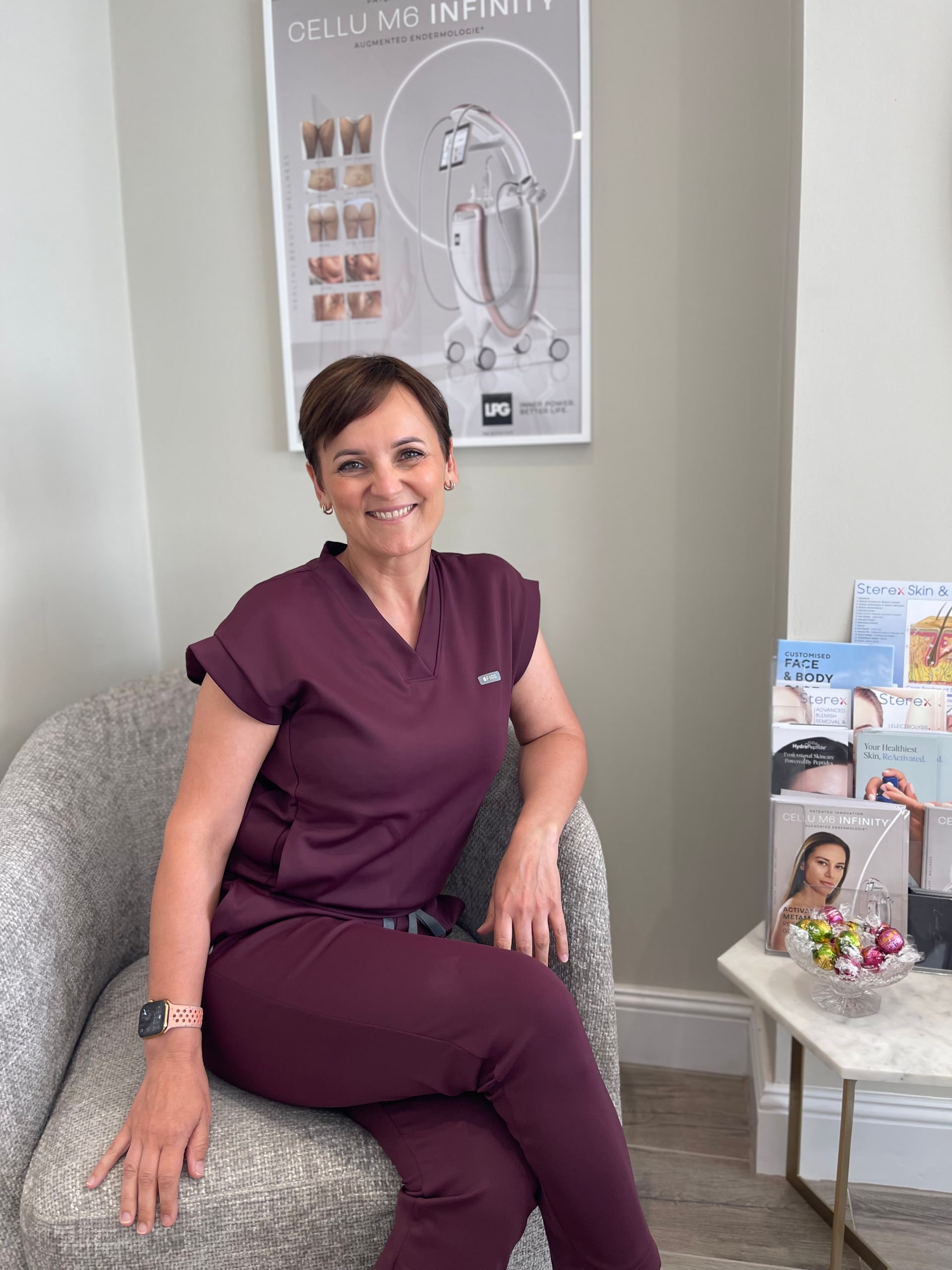
I am Lucie Oliver, an ITEC-qualified beauty therapist and skin specialist based in Raynes Park, South West London. My consultation covers your expectations, relevant medical history and aftercare before we proceed. You can also find my wider permanent cosmetics services online, including other permanent makeup options.
If you are considering lip blush near Raynes Park, my permanent makeup services for Wimbledon clients provide more information about the clinic and treatments available.
If lip blush seems suitable, you are welcome to book a consultation so we can discuss your lips and the healing process in person.